

“`html id=”way-amalgam-instrument-acorn-burnisher”
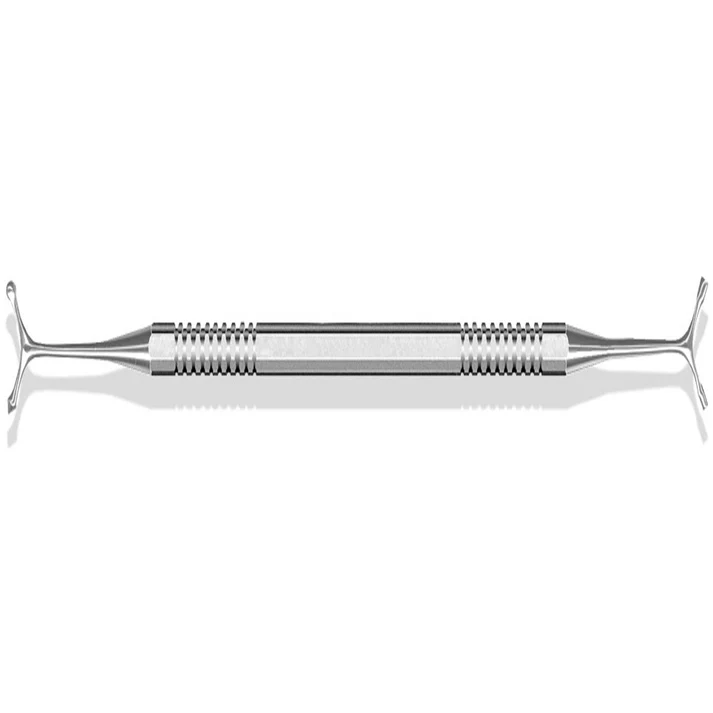
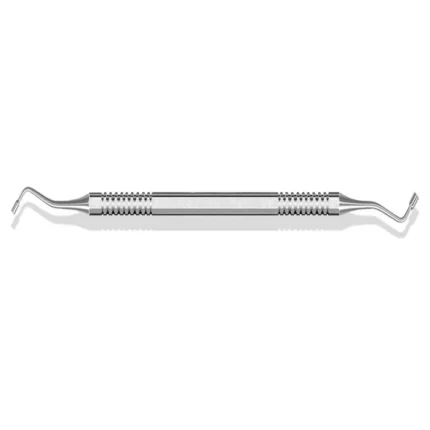
Way Amalgam Instrument Acorn Burnisher, SKU PS-108, is a reusable dental restorative instrument made from German stainless steel for amalgam adaptation, occlusal contouring, marginal burnishing, restorative finishing, and operative dentistry tray setup. The instrument is supplied in 1.7mm and 2.7mm size options, allowing clinicians to select the working end diameter according to cavity size, cusp anatomy, restoration contour, and finishing sequence. The acorn burnisher profile is used after amalgam placement and condensation to smooth restorative material, adapt margins, develop occlusal anatomy, refine convex surfaces, and support final contour before carving and finishing. The double-ended handle provides controlled finger rotation and balanced instrument movement during restorative procedures. General dentists, restorative clinicians, dental students, hospital dental departments, veterinary dental teams, distributors, and procurement offices use this Class I reusable hand instrument in amalgam restoration, operative dentistry, teaching simulation, restorative tray assembly, and clinical replacement workflows where controlled burnishing and surface adaptation are required.
Acorn Burnisher Geometry and Restorative Contact Control
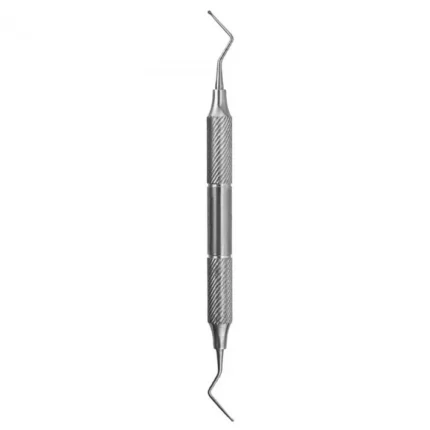
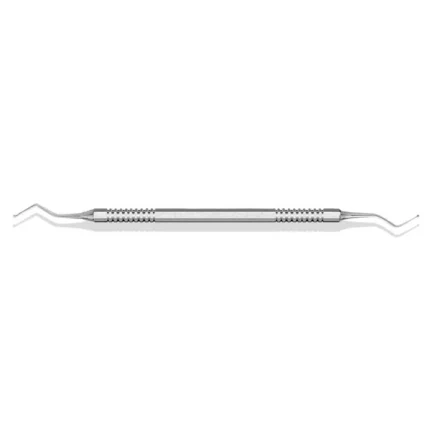
The Way Amalgam Instrument Acorn Burnisher uses rounded acorn-shaped working ends to adapt restorative material against cavity walls, marginal areas, occlusal surfaces, and prepared restorative contours. The acorn form provides broad convex contact for smoothing amalgam after condensation without cutting the restoration surface. The 1.7mm option supports smaller preparations, narrow occlusal anatomy, premolar restorations, and controlled margin refinement. The 2.7mm option supports broader restorative surfaces, posterior occlusal anatomy, larger class I preparations, and wider contouring movements. The slim double-ended shanks position the working ends into occlusal, proximal, and posterior access fields while the knurled handle supports wet-glove control. The burnisher has no ratchet, hinge, spring, cutting edge, box joint, or locking system because its working mechanism depends on manual pressure, rounded tip geometry, surface contact, and tactile feedback. It is selected for restorative adaptation and burnishing, not for excavation, carving, cutting, extraction, scaling, or canal obturation.
Amalgam Restoration and Operative Dentistry Workflow
During operative dentistry, the Way Amalgam Instrument Acorn Burnisher is used after cavity preparation, matrix placement when required, base or liner placement when indicated, amalgam delivery, and initial condensation. The clinician uses the rounded acorn tip to adapt amalgam against cavity margins, smooth occlusal anatomy, refine cusp-related contours, and reduce surface irregularities before carving and final finishing. In class I restorations, the burnisher supports controlled contour development across occlusal preparations after condensation. In class II restorations, it assists proximal and marginal adaptation where matrix bands and contact anatomy influence restorative shape. The smaller 1.7mm tip is useful for localized anatomy and confined restorative fields, while the 2.7mm tip supports broader surface burnishing. Dental schools use the same workflow for operative training and simulation exercises. Veterinary dental teams use comparable restorative handling where amalgam or restorative material adaptation requires a rounded stainless burnisher.
1.7mm and 2.7mm Size Selection
The 1.7mm and 2.7mm size options allow the Way Amalgam Instrument Acorn Burnisher to be matched to cavity dimension, tooth position, access angle, and restorative contouring requirement. The 1.7mm size is selected for small occlusal preparations, premolar anatomy, narrow grooves, marginal refinement, and controlled contact near confined restorative boundaries. The 2.7mm size is selected for wider posterior restorations, broad convex shaping, larger occlusal surfaces, and faster smoothing across amalgam bulk. Both sizes support manual pressure control during adaptation after condensation and before final carving. The acorn profile helps develop rounded surface transitions without the sharp scraping action of a carver. Selection depends on preparation size, restoration class, matrix placement, tooth group, occlusal anatomy, and operator preference. Clinics can stock both sizes for operative trays, dental school kits, restorative departments, emergency dental setups, and veterinary dental procedures where repeatable burnishing control is required.
German Stainless Steel, Sterilization, and Procurement Fit
German stainless steel construction gives the Way Amalgam Instrument Acorn Burnisher the rigidity required for repeated restorative burnishing while maintaining working-end shape, shank alignment, handle grip, and surface integrity through clinical turnover. The stainless finish supports visual inspection after cleaning, including the rounded acorn tips, slender shanks, handle grooves, and transitional neck areas where restorative residue can remain after use. After treatment, staff remove visible amalgam or restorative material, clean the working ends and handle grooves, rinse, dry, inspect the tip surfaces, package when required, and steam autoclave according to facility protocol. CE marking supports international medical device procurement, ISO 13485 certification reflects regulated manufacturing controls, and FDA-compliant procurement support helps United States buyers maintain reusable dental hand instrument records. The 1-year warranty, MOQ of 1 piece, OEM availability, return and replacement support, and carton box packing support clinics, hospitals, dental schools, laboratories, veterinary departments, distributors, and institutional purchasing programs.

Reviews
There are no reviews yet.